David B. Balkin and Rosalind & Chester Barnow Endowed Innovative Teaching Award
Recognizing work that helps students use AI, low-code development, and automation to address consequential human and organizational challenges.
building ethics & empathy into innovation
Low-Code for Citizen Developers
equipping future builders & citizen developers to create and connect applications via low-code platforms
new technology-enabled curriculum developed by Matthew John Brady, Entrepreneur & Educator offered to students currently enrolled at the University of Colorado – Leeds School of Business

Business Stability & Agility
Strategic Imperatives
Understand the drivers of organizational priority-setting related to digital transformation and enablement
Front-Office Growth
Trace revenue and retention goals to specific use cases, and go from idea to implementation faster than ever before
Back-Office Efficiency
Survey and identify the processes that would benefit most subtantially from modernized, usable applications
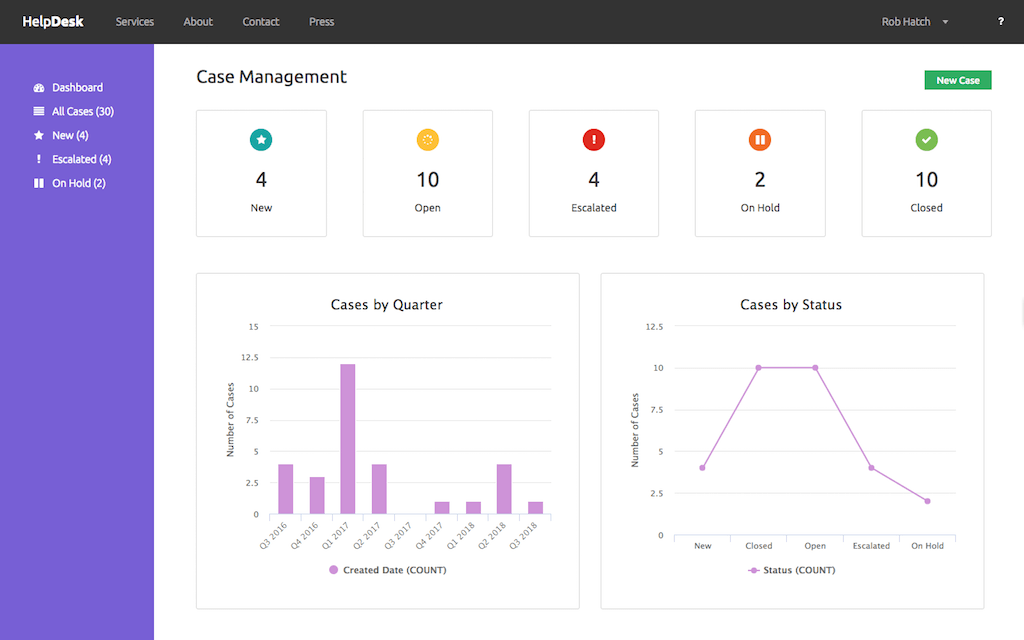
Cloud Computing & SaaS
Benefits & Costs
Evaluating "COTS" and custom software, ROI models
Rewards & Risks
Measuring intangibles and mitigating issues
Vendor Selection
Choosing the right tools for the job
Application Orchestration
History of Innovation
Progression of "no software" to "clicks not code"
Kevlar Quilt TM
Knitting together the best-in-class solutions
Architecture
Identity, Security, Data Model, Process Roles
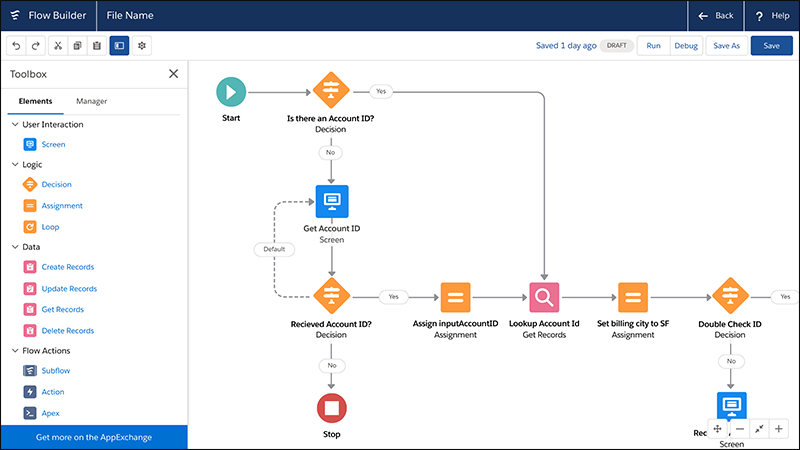
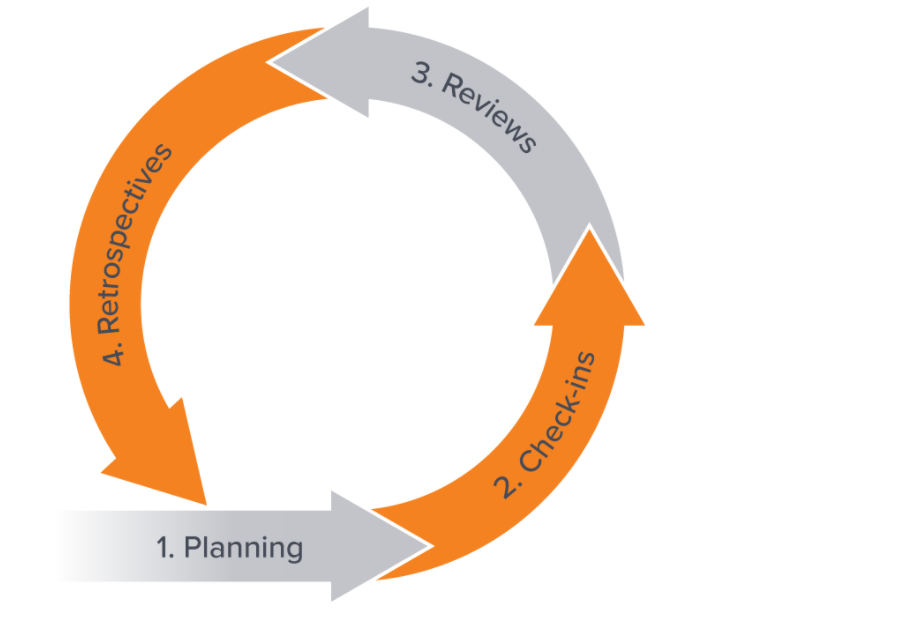
Agile Project Sprints
Planning the Work
Define the scope and resource capacity
Working the Plan
Execute in an interactive manner
Multiple Practicums
Grow the solution via hands-on experience
Skill Benchmarking
Platform Certification
Equip yourself to earn endorsements for the most prominent low-code platforms used in industry today
Industry Opportunities
Map out Internship, Full-Time, and Entrepreneurial paths

Interested?
take the next step that's right for you
Course Synopsis
The days of recruiting, training, retaining, and growing an in-house development team are waning. As the war for talent rages on, organizations need to move faster, invest more diligently, and protect operational priorities. As such, a new era of technology has emerged, whereby “citizen developers” are able to conceive of, rapidly build, and scale apps, without needing to go through traditional IT timelines and gates.


Low-Code Development & Integration (“LCDI”) is now a reality. Application Generation ("AppGen") with AI is quickly becoming the norm. The ecosystem that has emerged around leading SaaS platforms like Salesforce.com allows for rapid time-to-value. Popular platforms that have accelerated this progress include Umso for web content, Glide for responsive app development, Zapier for system integration, Nintex for scalable user interfaces and automation, Asana for agile sprint planning, Twilio for unified messaging, TypeForm for responsive web forms, VideoAsk for programmable video, and Airtable for flexible cloud data.





This course was developed around the core tenants and tools of “LCDI” and "AppGen". It provides students with the strategic context of human-centered technology, the guiding principles of design thinking, and the practical skills of building and evolving applications using the leading PaaS & iPaaS tools. This curriculum will empower students as solution builders and digital innovators. By fostering creativity and expanding the scope and scale of jobs to be done, students will learn to create and capture business value by “enabling ideas”.
awesome, but...
what if I'm just "not technical"?
How tough are these tools to use?
OK, so...
how can these tools help me build my career?
Read the Press Release and Customer Story. Get started on building your future, today!
show (and grow) your skills... compete to help a good cause

clicks, not code ... this is how apps are built